
Share Your Ideas
TheThinkLad is an open blogging platform where anyone can write articles and share their story with the world. Write with us.
TheThinkLad is an open blogging platform where anyone can write articles and share their story with the world. Write with us.
Watercolor isn't a medium you command, it's one you trust. And trusting it takes more nerve than most painters expect.

Pretti Rajdhami
Jul 12, 2026
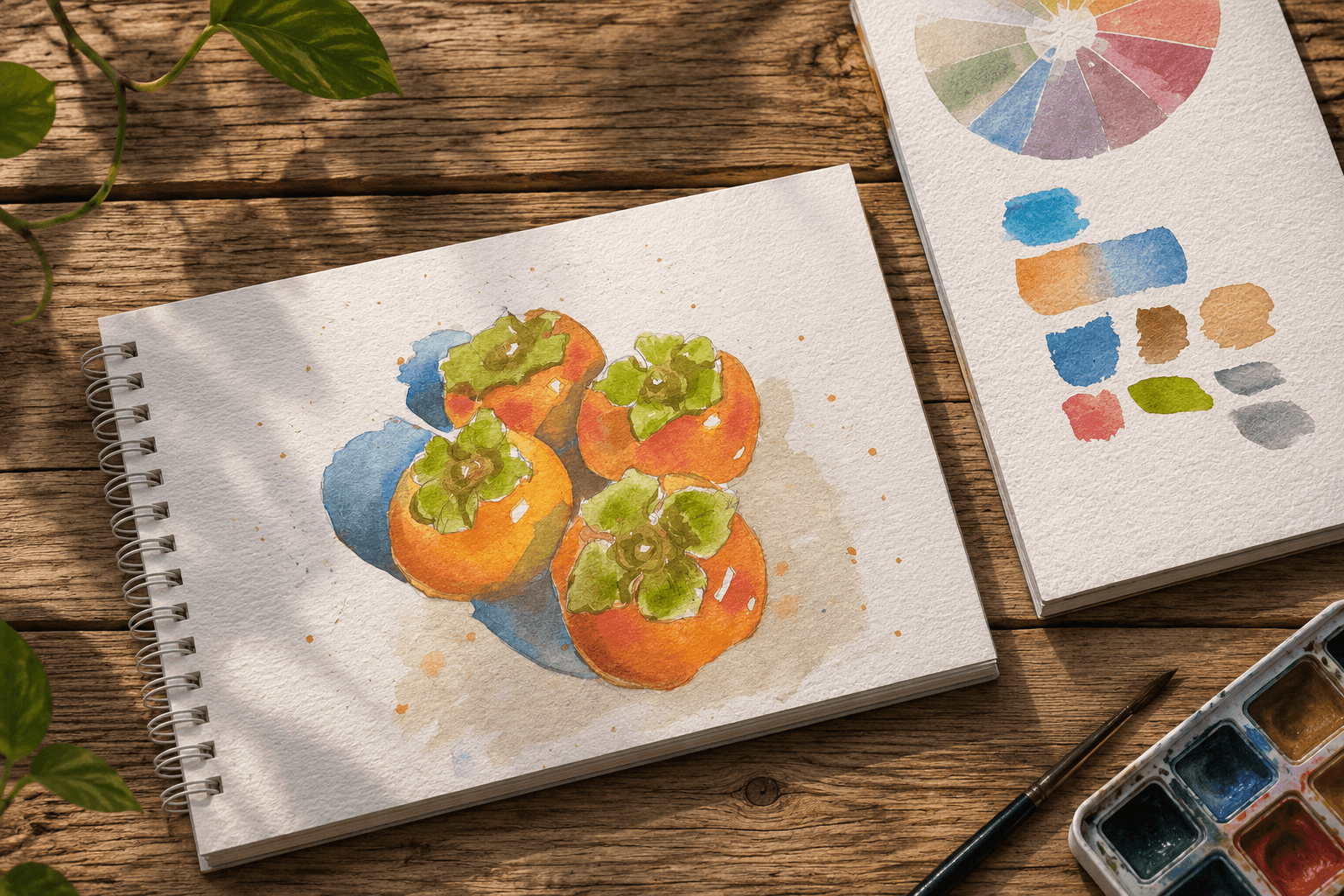
Every watercolor artist know the feeling: colors decided, paper wet, and then you hold for a second. Not because you don't know what to paint. Because once that pigment hits water, it's barely irreversible.
This is exactly why so many beginners quit the medium in frustation. Watercolor isn't like other mediums: correctable and forgiving. Instead, it sometimes blooms unpredictably, dries lighter than it looked wet, and overworking it into dull and muddy piece is a very common thing.
But here's the truth: the carefulness is what's killing it.
That fear before the first stroke doesn't feel like fear at all. It feels like being careful and precise. The brush barely touches the paper, the water is kept thin and manageable, every stroke is small enough to undo with a paper towel if it goes wrong. That's fear wearing the costume of discipline.
Those perfect-looking watercolors don't come from carefulness. They come from a wet brush, more pigment than feels comfortable, strokes that trust your hand instead of second-guessing it and then letting the water finish what you started. The magic is in the surrender, not the steadiness of the hand.
Watercolor isn't a command, it's a collaboration. You're not painting the water, you're painting with it. Every wash, every bloom, every soft edge is a negotiation between what you intended and what the water decides to do once it's on the page. You can angle the paper, choose how much pigment to load, decide where to place the first stroke but from that point on, gravity, humidity, and the paper's texture all have a say too. And you can't control a collaborator that has its own will. You can only trust it. Trust that the pigment will settle where it needs to. Trust that the bloom you didn't plan for might become the best part of the painting. The moment you try to force the water into doing exactly what you pictured, you're not collaborating anymore you're fighting. And watercolor never loses that fight quietly.
This isn't a call to be reckless. Courage in watercolor isn't the absence of a plan, it's confidence built through failure, repeated enough times that instinct starts to replace hesitation. It looks like:
Testing colors on scrap paper first, then committing fully once the brush touches the real page.
Painting the darkest values before you feel ready to commit to them.
Trusting a wash to dry instead of going back in to "fix" it.
Accepting that a painting is done before it feels finished.
Choosing bold color over the safe, muted version of it.
Leaving white space alone instead of filling every part of the page.
Watercolor doesn't reward the painter trying hardest not to mess up. It rewards the one who's made peace with mistakes, who loads the brush, commits to the stroke, and lets the water finish the sentence. None of this comes from reading about it. It comes from wasting paper, a lot of it. Every watercolorist who paints with ease has a drawer full of muddy failures behind them.


Article Reactions
Reflections (3)
Anonymous
Jul 21, 2026
Im convinced that I will try watercolor soon, thank-you for sharing this!
Anonymous
Jul 17, 2026
Such a beautiful perspective. Simple, yet it says so much. Really enjoyed reading this—looking forward to more thoughtful posts like this!
Pretti RajdhamiAuthor
Jul 19, 2026
Thank you, I'm glad you enjoyed ❤️